Essential Auto Glass Repair Keep Your Crew Safe
Explore the Key Services Provided by a Professional Arborist to Ensure Tree Health
A professional arborist offers a range of services vital for keeping trees healthy and beautifying outdoor spaces. Their expertise in tree pruning stimulates development and reduces risks. They also assess and handle tree diseases, ensuring tailored treatment plans are in place - Florence Arborist. Additionally, arborists handle safe tree removals and can assist with planting and transplanting. Their role is even more vital during urgent times such as storm damage. Knowing these services can profoundly influence one’s approach to tree care
The Importance of Tree Pruning
Although many homeowners may overlook the necessity of tree pruning, it plays an essential role in preserving the health and aesthetics of trees. Effective pruning helps trees develop a sound framework, eliminating dead or infected limbs that could create hazards. By selectively trimming branches, the tree can concentrate its resources on healthy growth, fostering superior air movement and sunlight penetration. Additionally, pruning can boost the aesthetics of the tree, forming it for visual beauty in residential landscapes.
Moreover, regular pruning can avoid possible dangers, such as falling branches during storms or high winds, which could harm property or injure individuals. It also aids in the prevention of insect problems and diseases by enhancing the tree's hardiness. Ultimately, investing in professional arborist services for tree pruning ensures trees stay healthy, safe, and aesthetically appealing, adding significantly to the overall beauty and value of the property.
Identifying and Treating Tree Diseases
Tree health can be significantly impacted by a range of diseases that may not always be immediately evident. A professional arborist serves a vital function in detecting these problems soon, utilizing a combination of visual inspections and diagnostic tools. Symptoms such as discolored leaves, wilting, or unusual growth patterns often signal underlying health issues. Arborists assess these symptoms to identify specific diseases, whether fungal, bacterial, or viral in nature.
When the problem is identified, the tree specialist creates a bespoke care program. This may include specific applications, such as bactericides or fungicides, and maintenance techniques that enhance tree resilience. Additionally, practical resource correct hydration, the application of mulch, and fertilization can considerably improve tree health and ability to fight off illness. Consistent observation and further interventions are critical to effective management, securing the long life and health of the trees. By addressing tree diseases proactively, tree specialists ensure the environmental value and aesthetic appeal of thriving trees.
Best Practices for Tree Felling
Effective tree removal practices are essential for guaranteeing safety and minimizing damage to surrounding property. Expert tree specialists conduct a detailed analysis of the tree's condition, where it is situated, and the immediate vicinity before proceeding with removal. They utilize specialized equipment, such as chainsaws and rigging gear, to make clean incisions and manage the tree during its descent.
A carefully designed extraction plan requires recognizing risks, such as structures or overhead wires, which can affect the security of the job. Arborists often use a technique called "sectional dismantling," in which the tree is removed in manageable pieces, reducing the risk of falling debris.
Moreover, arborists adhere to local rules and standards to guarantee compliance and ecological responsibility. After the removal, proper cleanup and disposal of the remaining wood and brush, stump treatment as well, help improve the overall security and visual appeal of the area.
Planting and Transplanting Trees
Planting and transplanting trees demands close attention of site selection and installation methods to ensure future vitality and successful establishment. An appropriate setting greatly affects a tree's development, while proper planting methods reduce trauma and encourage the tree to thrive. Tree specialists highlight these elements as vital for boosting the strength and endurance of trees in various settings.
Selecting an Appropriate Site
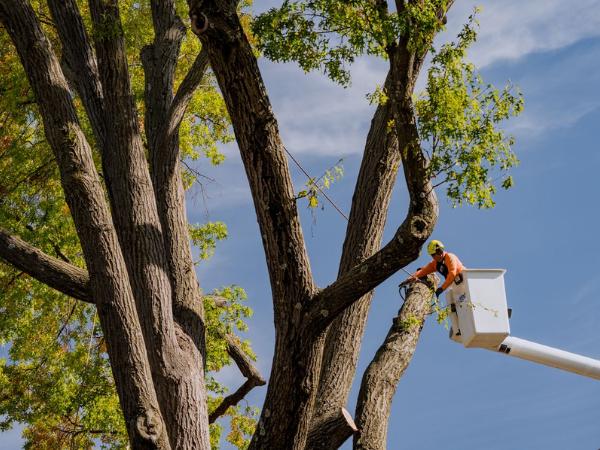
Finding the perfect spot for relocating or establishing trees is critical to their future development and vitality. Factors such as soil quality, the amount of sun, and water flow needs careful consideration. Tree care professionals assess the site's characteristics, ensuring that the selected area has enough food sources and proper foundation for the trees. Additionally, the closeness to current buildings and other plants is crucial to prevent competition for resources and steer clear of future injury. Tree specialists also factor in the tree’s mature size and underground network, guaranteeing enough area for development. By conducting a thorough site analysis, arborists enable clients make informed decisions that encourage strong, successful trees, which boosts the landscape’s visual appeal and natural benefits.
Optimal Planting Methods
Once the site has been carefully assessed and selected, the subsequent phase requires using optimal methods for planting trees. Preparing the planting hole correctly is crucial; it should be two times wider than the root mass and not deeper than the root mass. The tree should be placed in the hole so that the crown of the root mass is even with the adjacent ground. Refill using the original dirt, making sure to eliminate air gaps, and water thoroughly to promote initial root establishment. Adding a layer of mulch near the trunk aids in water retention and suppress weeds. Florence Arborist. For transplanting existing trees, care must be taken to reduce root trauma and move the tree while it is inactive for the best chance of survival. Following these techniques encourages strong vitality and extended health
Handling Tree Emergencies After Storms
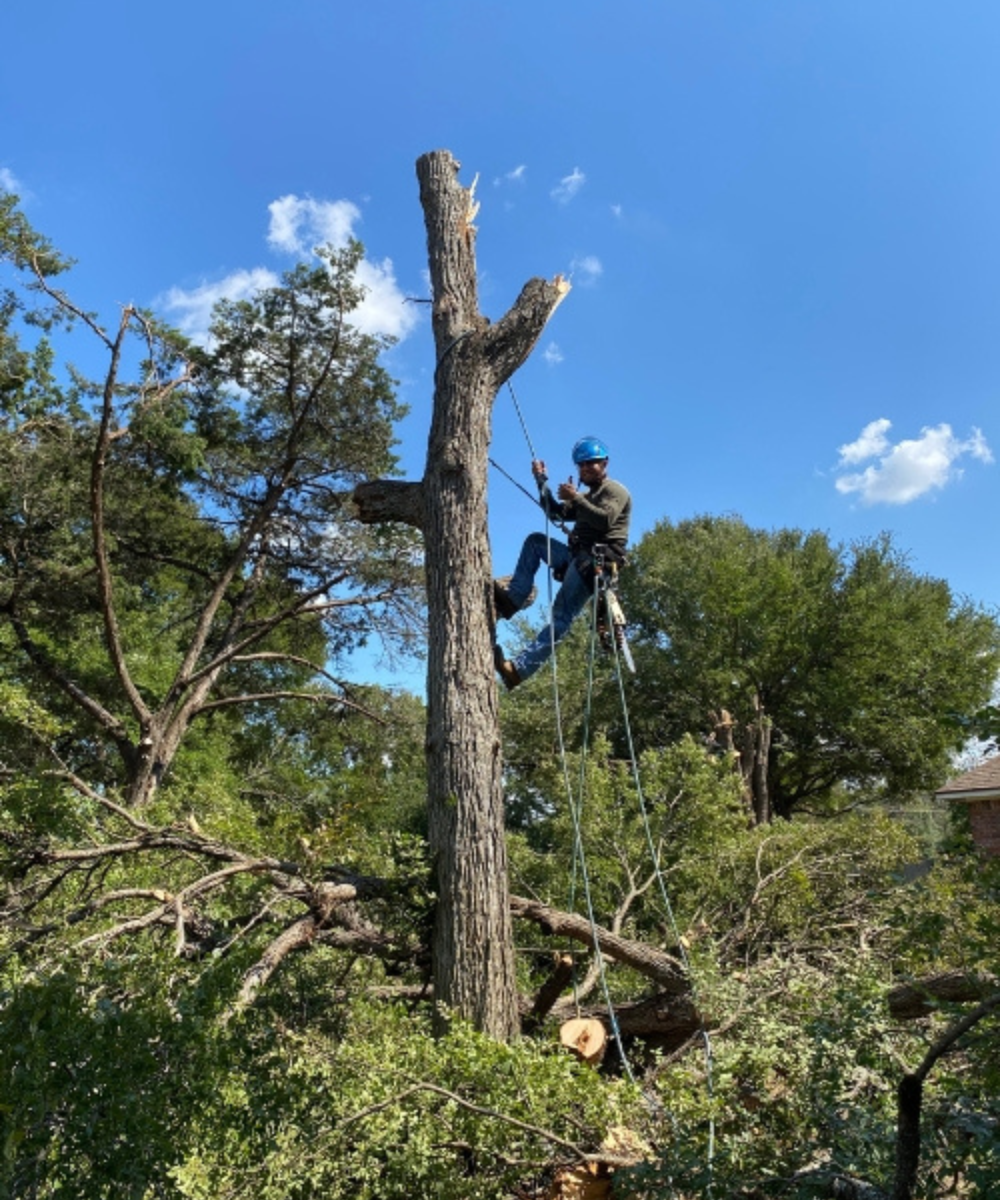
When major tempests hit, the resultant conditions may leave trees in dangerous states, posing risks to property and safety. Certified tree experts are crucial in immediate action, evaluating storm-damaged trees to check how safe and healthy they are. Their expertise allows them to identify which trees are recoverable and which pose imminent hazards that require extraction.
Using professional equipment, they can carefully cut damaged boughs and clear debris, minimizing further damage to surrounding areas. They also provide valuable advice on risk mitigation, such as choosing sturdy types of trees for upcoming installations.
Beyond just quick action, tree specialists assist clients in grasping the future impacts resulting from the weather, offering guidance on recovery and rehabilitation. Through quick and effective action, professional arborists not only protect property but also help in the renewal of the local environment after severe storms.
Nutritional Support and Soil Management
Following the aftermath of storm damage, attention turns to the condition of surviving trees, underscoring the importance of nutrient assistance and earth maintenance. A professional arborist evaluates soil conditions and tree health to ascertain exact dietary needs. Trees need key nourishment, like nitrogen, phosphorus, and potassium, to heal and grow strong after stress events.
Soil management plays an essential role in how nutrients are accessed and root development. Experts might advise ground improvements, such as organic matter, to improve soil structure and the action of microorganisms. The correct pH balance are also evaluated, as they impact how nutrients are absorbed.
Incorporating mulching techniques can keep the ground moist and suppress weeds, fostering a perfect setting for the tree's recuperation. With a detailed feeding regimen and applying successful ground care techniques, arborists make certain trees recover their vigor, resilience, and overall health, which is critical for maintaining a balanced ecosystem in the wake of major environmental events.
FAQs
What is the Recommended Inspection Frequency?
Trees should be checked annually for optimal condition. However, checking them more often could be needed for younger trees, after severe weather events, or if distress or illness becomes apparent.
What Qualifications Should I Look for in an Arborist?
When seeking an arborist, one should look for credentials like ISA (International Society of Arboriculture) accreditation, applicable work history, adequate protection, and a good standing within the community, confirming knowledge in arboriculture and safety practices.
Do Arborists Utilize Special Equipment for Tree Care?
Arborists use a range of unique equipment for tree care, like chainsaws, pruning shears, climbing gear, and stump grinders. Each tool serves a specific purpose, allowing for proper upkeep, pruning, and removal of trees while promoting overall health and safety.
How Do Weather Conditions Affect Tree Health?
The climate significantly affects tree health; too much water often causes root rot, while lack of water weakens trees. Extreme temperatures can lead to the destruction of leaves and branches, ultimately affecting development, durability, and total vitality of the trees.
Should I handle my own tree maintenance, or Is it better to hire an expert?
Even though a few fundamental tree care duties are manageable by homeowners, hiring a professional is often advisable - Florence Arborist. Trained individuals carry specialized equipment and knowledge, which guarantees the trees get the proper care necessary for peak growth and vitality